Flowers To Widows

About Flowers to Widows
In January 2000 retired educator Obadiah Jordan, Jr. died in Atlanta Georgia with little warning. At the age of 68 he left behind Ethel Lockhart Jordan who 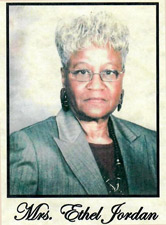 cherished him during 44 years of marriage. They spent the better part of lifetime as sweethearts moving from a small rural town to pursue a life in education in the big city. A year later, Ethel’s life had drastically changed. The once friendly and active neighbor turned introverted becoming solemn. She rarely ventured outside of her home. Her whole outlook on life seemed to be one of merely existing as she retreated. Her self-imposed isolation began to manifest itself in illness.
By January 2002, little had changed as she remained housebound exhibiting obvious signs of deep depression. Neighbor Audraine Jackson who grew up admiring Ethel as a community role model saw her suffering and ordered a dozen red roses delivering it on Valentine’s Day. It accompanied a note stating how her quiet dignity and loving manner had made an impact on her life. It also recognized the love she shared with her husband. The turnaround in behavior was immediate and obvious. Filled with gratitude, Ethel began to participate in life again becoming more extroverted, smiling and showing signs of joy. Valentine’s Day changed from a day she dreaded to one that brought smiles as she thought of the love she and her spouse shared. Audraine began to contemplate, if that one small act could bring a person from deep depression back to the vitality of life, what could it do for others? In 2003 more people were added to the list and Flowers to Widows became an official and annual event.
Each year the list became more diverse crossing colors lines, age and socio- economic categories. As the program progressed, it became evident the first year after losing a spouse is the hardest to adjust and most dreaded by people who had been left behind after a long-term relationship ended by loss. Program requirements were set up to select recipients based on the previous year’s loss. The program also discovered the element of surprise on a day when one is certain nothing loving would occur brings immeasurable joy at a time when it is most needed, long after the condolences have stopped and the checks-ins become few and far between. Flowers to Widows is a genuine celebration of love without the materialism sometimes associated with the Valentine’s Day holiday.
One recipient had been married for ten years as a second marriage but was very close to her husband and was stunned to know somebody cared. She cried as she received a dozen long stemmed roses and believed they were heavenly sent from her spouse. The program expanded to include men. There was a widower who had been married to his wife for more than 50 years and was grateful for his unexpected reminder of his wife when the aroma of flowers entered his home. The youngest recipient was a 28-year-old professional basketball player who unexpectedly passed away from a heart ailment. Another recipient was a wife who had lost both her husband and son on the same day due to an act of violence.
For years, this program has brought joy to the recently bereaved by celebrating the love of a spouse. It eventually expanded to recognizing the loss of a child or parent. The key element is recognition of love shared between humans on a day where love is celebrated. Flowers to Widows recognizes the power of love and its impact on humans when it is acknowledged through the delivery of beautiful flowers in the memory of a loved one. Contributions to this worthy program helps us spread the joy and blessings the power of love can bring to our world.
Audraine Jackson, Founder
Flowers to Widows
Our work
Flowers to Widows

Flowers to Widows recognizes the power of love and its impact on humans when it is acknowledged through the delivery of beautiful flowers in the memory of a loved one
September 11th First Responders Appreciation Program

To annually show gratitude and recognize those everyday heroes who are often taken for granted.
Board Officers
Audraine Jackson
Board Chair/President/Founder
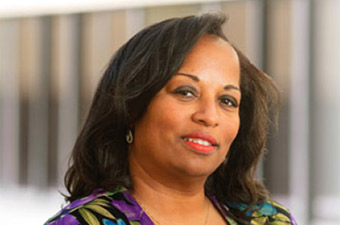
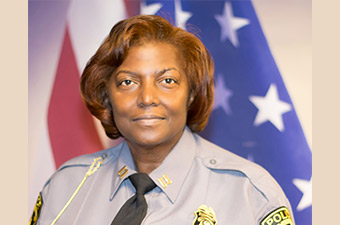
Lt. Hattie Cotton-Tukes
Secretary
Silas “Si-Man Baby: Alexander
Member